
Safari Packing List: What to Pack for Your Next Safari
Jet Setting with Jen contains affiliate links and is a member of the Amazon LLC Associates Program. If you make a purchase using one of these Amazon links, we may receive compensation at no extra cost to you. Read our Privacy Policy for more information.
If you’re searching for a safari packing list because you’re trying to figure out what you actually need for an African safari, you’ve come to the right place. After traveling extensively around the world and experiencing Africa firsthand, including South Africa, the Kruger area, Victoria Falls, and an unforgettable safari in Chobe National Park in Botswana, I’ve learned that packing for safari is very different from packing for almost any other trip. As a frequent international traveler to over 50 countries, expert travel advisor, and solo female traveler who has visited six continents, I went into my own African adventure thinking I was a pretty confident packer. Safari humbled me a little.
Introduction: Safari Packing List
After my own travels through Africa, this is the safari packing list I wish someone had handed me before I left home.
You don’t need to dress like you’re auditioning for an African expedition documentary. You don’t need seven completely different safari outfits. And unless you’re doing a specialized trekking safari, you probably don’t need the enormous hiking boots taking up half your suitcase either.
What you do need are comfortable layers, breathable clothing, sensible shoes, excellent sun protection, a few pieces of wildlife-viewing gear, and a packing strategy that accounts for something many first-time safari travelers don’t realize: your safari day can start out surprisingly cold, become blazing hot by afternoon, and cool down again before you’ve returned to your lodge.
Safari Clothing: What I Would Actually Pack
Let’s start with the part everyone seems to overthink: what to wear on an African safari.
Before my trip, I saw so many photos of travelers dressed head-to-toe in beige and khaki that I started wondering if safari came with an unofficial dress code. It doesn’t.
You absolutely do not need an entirely new safari wardrobe. That said, I did find neutral colors incredibly practical once I was actually out on game drives. Olive green, khaki, tan, beige, muted brown, and gray are easy to mix and match, they don’t show dust as quickly, and they work well in a safari environment.
The biggest change I would make to the way most people think about safari clothing is this: Don’t pack outfits. Pack layers that work together.
For a seven-day safari, I would generally bring four or five breathable tops, including a combination of short sleeves and lightweight long sleeves. I’d pair those with two or three pairs of lightweight travel pants and perhaps one pair of shorts. That’s enough.
If my lodge offered laundry, which many safari lodges do, I would pack even less.
Why I Prefer Lightweight Safari Pants
For me, comfortable lightweight pants are one of the most useful pieces of safari clothing. Game drives can last for hours, and you’ll spend a lot of time sitting, twisting around to look at wildlife, climbing in and out of safari vehicles, and reaching for your camera. This is not where I want stiff jeans.
I prefer lightweight travel pants, hiking-style pants, cargo pants, or stretchy athletic travel pants. I especially love pants with secure pockets because I can keep my phone accessible without constantly digging through my safari bag.
Leggings can also work perfectly well for vehicle-based game drives, particularly if that’s what you’re comfortable wearing. I simply wouldn’t make leggings my only option. If I were doing a walking safari or spending time around brush, I’d want lightweight long pants that offered a little more protection.
Should You Pack Shorts for Safari?
I would pack one pair. Shorts are nice during warm afternoons and around the lodge, but I found long pants much more versatile overall. They provide better protection from sun, dust, insects, and brush and work across a wider range of temperatures.
When I’m trying to pack light, versatility wins.
Long-Sleeve Shirts Are More Useful Than You Think
I would definitely include at least one or two lightweight long-sleeve shirts in my African safari packing list.
They aren’t just for warmth. Long sleeves can give you additional protection from the sun and insects, and they’re perfect for layering on cooler mornings.
I’d choose something lightweight and breathable rather than anything heavy.
The Most Important Safari Clothing Rule: Bring Layers
This is probably the most important clothing advice I can give you after experiencing safari myself. Africa doesn’t automatically mean hot. Depending on the destination and season, those early-morning game drives can be genuinely chilly.
You’re often leaving your lodge before sunrise and sitting in an open safari vehicle while the air is still cold. Once the vehicle starts moving, the wind can make it feel even cooler. Then the sun comes up. Suddenly, you’re taking everything off.
My ideal morning safari outfit would be a breathable base layer, a lightweight long-sleeve shirt, and a fleece, sweater, lightweight jacket, or packable puffer depending on the season. As the morning warms up, I can remove those layers one at a time. That’s far more useful than bringing one enormous coat.
Do You Need Dressy Clothes for a Safari Lodge?
Not really. Even beautiful safari lodges tend to be much more relaxed than people imagine.
I like bringing one or two slightly nicer casual pieces for dinner, but I wouldn’t waste valuable luggage space on formal outfits or heels unless there is something specific on my itinerary that calls for them. Think comfortable, elevated casual, not cocktail attire.
And don’t forget a swimsuit. Many safari lodges have beautiful pools, and spending a few hours relaxing between morning and afternoon game drives can be one of the best parts of the day.
Safari Shoes: Shoes You Need for an African Safari
Shoes are another area where it’s incredibly easy to overpack. Unless you’re doing a walking safari, gorilla trek, or significant hiking, you probably don’t need huge hiking boots for a traditional vehicle-based safari.
For most safari trips, I would bring one comfortable pair of closed-toe walking shoes or sneakers and one pair of sandals or flip-flops for the lodge. That’s it.
Most of your wildlife viewing on a traditional safari happens from a vehicle, so comfort is much more important than owning a pair of boots that look like they belong on safari.
If your itinerary includes trekking or a walking safari, that’s different. Follow your safari operator’s footwear recommendations for those specific activities. Otherwise, save the suitcase space.
Safari Accessories: The Small Things I Used Constantly
Once my clothing and shoes are sorted, I move on to accessories. This is where some of the smallest things in your suitcase can end up being the things you use most often.
A Safari Hat
A good hat absolutely belongs on my safari pack list.
You’ll likely spend hours outdoors, and the African sun can be intense. I prefer something lightweight and packable with enough coverage to actually protect my face.
I also want it to stay on my head when the safari vehicle starts moving.
And choose one you actually like because, trust me, it’s probably going to appear in hundreds of photos.
Sunglasses
I always travel with sunglasses, but I used them constantly on safari.
Between the bright sun, dust, wind, and hours spent looking across open landscapes, they’re essential.
I personally wouldn’t bring my most expensive pair. Safari vehicles, boats, and constant movement give sunglasses far too many opportunities to disappear.
A Lightweight Scarf
A lightweight scarf is one of my favorite travel accessories, especially as a woman traveling internationally.
I’ve used scarves for warmth, sun protection, shoulder coverage, dust protection, and even as an impromptu pillow.
It weighs practically nothing and takes up almost no space.
That’s exactly the kind of item I want on a safari trip.
A Small Safari Day Bag
I also bring a small backpack or secure crossbody bag for game drives.
I don’t want an enormous bag, and I definitely don’t want an open tote with everything rolling around inside a moving safari vehicle.
The goal is to have my essentials within reach without carrying half my suitcase around with me.
Safari Gear: Camera, Phone, Binoculars & Electronics
This is the category where I would actually sacrifice an extra outfit to make room.
Once you’ve traveled all the way to Africa, you want to be able to actually see and capture the wildlife you’ve come for.
For me, that means thinking carefully about my camera, phone, binoculars, charging equipment, and storage before leaving home.
Binoculars Are Worth the Space
If you’re debating whether you really need binoculars, bring them.
Your safari guide may have binoculars and your lodge may provide them, but I still prefer having access to my own.
One thing I learned very quickly is that wildlife isn’t always standing ten feet from the safari vehicle.
Sometimes you’re looking across a river. Sometimes your guide has somehow spotted a leopard in a tree that looks like nothing more than a branch to everyone else.
Having binoculars completely changes those moments.
During my time in Chobe, where wildlife viewing was such a huge part of the experience, I was very glad binoculars were part of the equation.
Camera and Zoom Lens
Safari is also one destination where I think a real camera can still be worth carrying, especially if photography is important to you.
Phones take incredible travel photos now, but safari presents a different problem: distance.
That lion may be nowhere near your vehicle.
If I’m bringing my mirrorless or DSLR camera, I’m prioritizing a good zoom lens. I’m also bringing extra batteries, multiple memory cards, a charger, a lens cloth, and a small protective camera bag.
And here’s my biggest safari photography tip:
Learn how to use your camera before you get to Africa.
Practice with the zoom. Know how to change your focus settings. Know where the important buttons are.
The leopard isn’t going to wait while you Google your camera manual.
Your Phone
Even with a camera, I still use my phone constantly.
It’s usually what I grab first for video, quick photos, notes, travel documents, maps, reservations, and communication.
Before safari, I clear plenty of storage space.
You’d be amazed how quickly a few days of wildlife videos can fill a phone.
You do not want to be sitting in Botswana frantically deleting old screenshots while a herd of elephants is walking toward you.
Portable Charger and Travel Adapter
A portable power bank lives in my safari day bag.
Between photos, video, and normal phone use, battery life disappears quickly.
I also travel with a universal adapter, but don’t assume every African country uses the same plug. If you’re visiting several countries, verify the plug type and voltage requirements for each destination before leaving home.
Safari Luggage: Check This Before You Pack
Before you start putting any of this into a suitcase, check your transportation.
This is especially important if your African safari includes a bush flight or other small aircraft.
Your international airline might allow a large checked suitcase, but that does not mean the little aircraft taking you to your safari camp will.
Bush flights can have much stricter weight and size limits, and some operators require or strongly prefer soft-sided luggage because it fits more easily into smaller luggage compartments.
There isn’t one universal safari luggage allowance, so always verify the requirements for your exact itinerary.
If I know I’m taking small aircraft, I prefer a lightweight soft-sided duffel or travel bag rather than a giant hard-shell suitcase.
I also use packing cubes because I’m often moving between several destinations. I can pull out exactly what I need without completely unpacking and repacking every time I change lodges.
Safari Packing List: How my List Changes by Destination
One mistake I wouldn’t make is treating “Africa” as one climate.
Your packing list for Botswana can be different from your packing list for South Africa, and the season can make an enormous difference.
South Africa and the Kruger Area
For the Kruger region, I’d pay particularly close attention to the temperatures around sunrise and sunset, not just the afternoon high.
This is where my layering strategy becomes especially important.
I’d much rather have several lightweight layers that I can remove throughout the morning than one bulky coat.
Chobe National Park, Botswana
In Chobe, wildlife-viewing gear became one of my priorities.
Whether you’re heading out on a traditional game drive or experiencing the wildlife along the Chobe River, this is where I want my binoculars, camera, sunglasses, sun protection, and an extra layer immediately accessible.
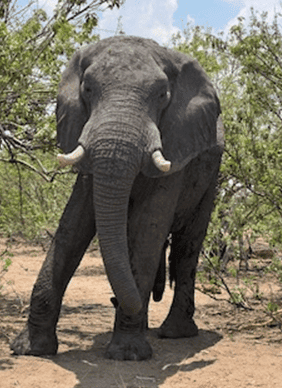
Chobe is famous for its elephants, and watching them in their natural environment was one of those experiences that reminded me why I had traveled all the way to Africa in the first place.
Victoria Falls
If you’re combining safari with Victoria Falls, as I did, add quick-drying clothing and some type of waterproof protection for your phone.
Depending on the season and water levels, the spray around the falls can leave you much wetter than you expect.
I also wouldn’t wear shoes that I was afraid to get wet.
Conclusion: Safari Packing List
If you’re staring at an empty suitcase right now trying to create the perfect safari pack list, the biggest thing I want you to remember is that you probably need much less than you think.
I’ve traveled extensively around the world, but Africa was one of those trips that reminded me why I love traveling in the first place.
When you’re watching elephants in Botswana, scanning the bush for lions, heading out before sunrise, or standing in front of Victoria Falls, you’re not thinking about how many outfits you brought.
You’re not going to remember that you wore the same olive pants twice.
You’re going to remember the first time an elephant walked unbelievably close to you.
You’re going to remember the anticipation when your guide suddenly stopped the vehicle because they spotted something you hadn’t even noticed.
You’re going to remember those African sunsets and that moment when you look around and think, I can’t believe I’m actually here.
So pack light. Bring clothes you can layer and rewear. Wear comfortable shoes. Bring the binoculars. Charge your camera. Check your bush-flight luggage restrictions.
And leave a little room in your bag.
Because if Africa does to you what it did to me, you’ll probably come home with something much better than a suitcase full of souvenirs.
You’ll come home with stories.
And there’s a very good chance you’ll already be thinking about when you can go back.